

It is important to remember that while fractions may come easily to adults, this is a completely new concept for 8-10 year olds. The significance of the numerator and denominator are still foreign concepts.
Children are used to knowing 10 wholes are more than 5 wholes. Now, for the first time, they are being asked to understand why 1/5 is more than 1/10. When first looking at the fractions, many students compare the 5 and 10 in the denominator, and mistakenly assume 1/10 is more than 1/5.
For this reason, the use of diagrams, manipulatives and number lines are essential.
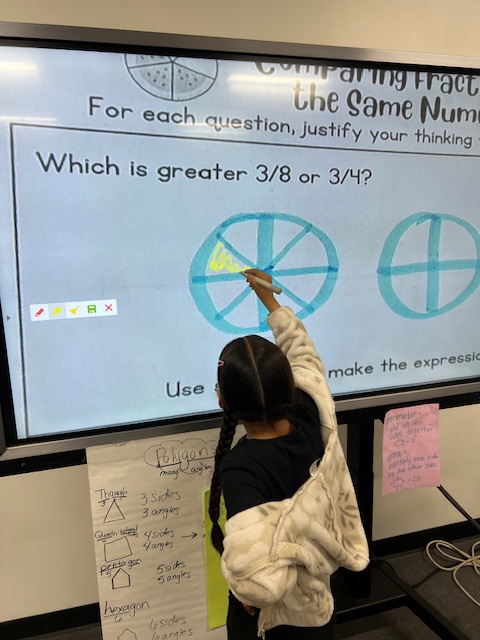
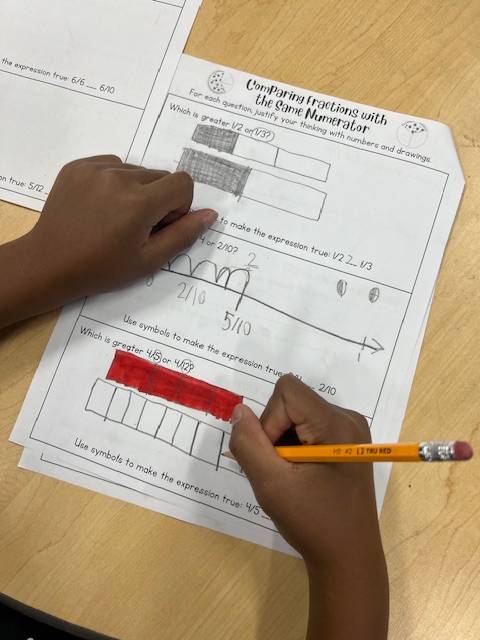
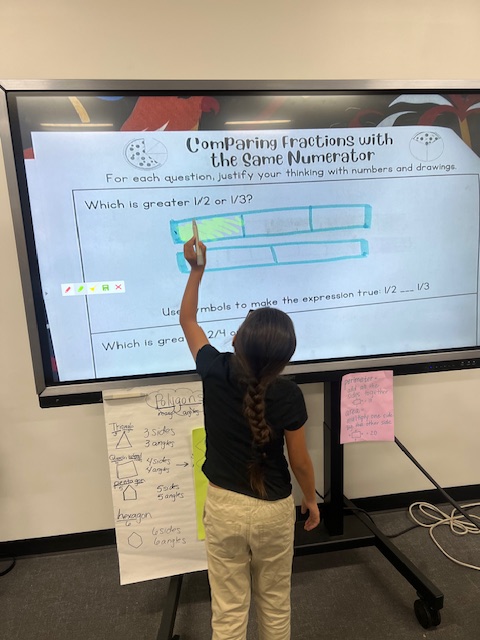
Lessons on comparing fractions with the same denominator or the same numerator are a powerful introduction to the significance of the numbers in fractions.
Showing students how 3/4 and 4/12 are equivalent will be easier later on if they have already grappled with the question – which is greater 3/12 or 7/12? Although this answer may seem obvious to adults, you might be surprised by the answers you get when you ask your students or child.
Having two numbers representing part of a whole is initially as foreign to young children as many long algebraic or calculus equations are adults.
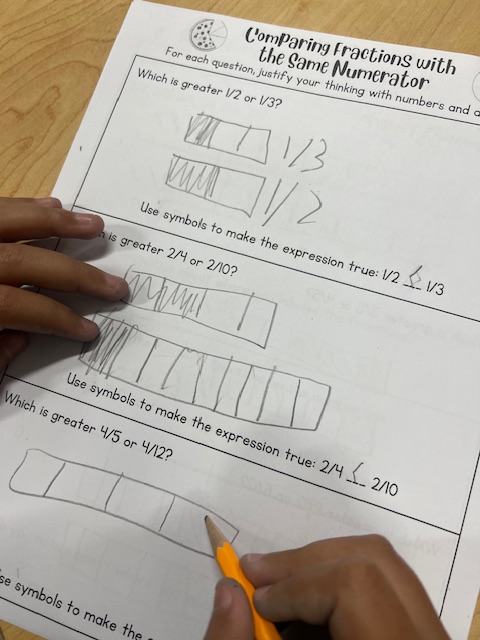
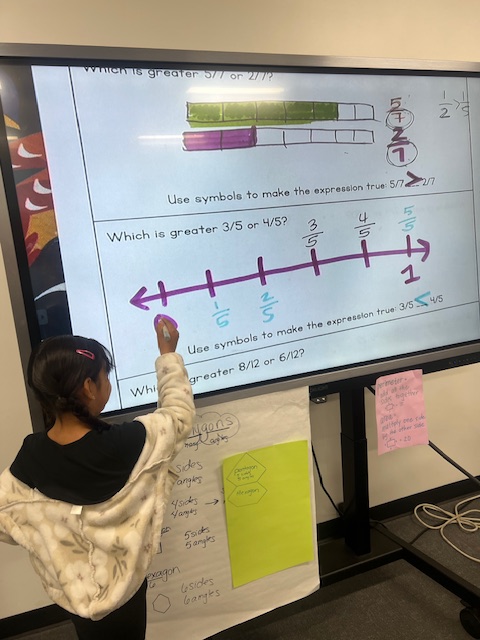
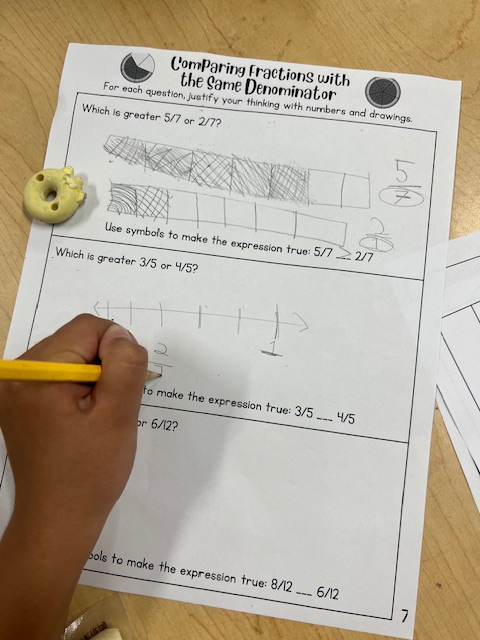
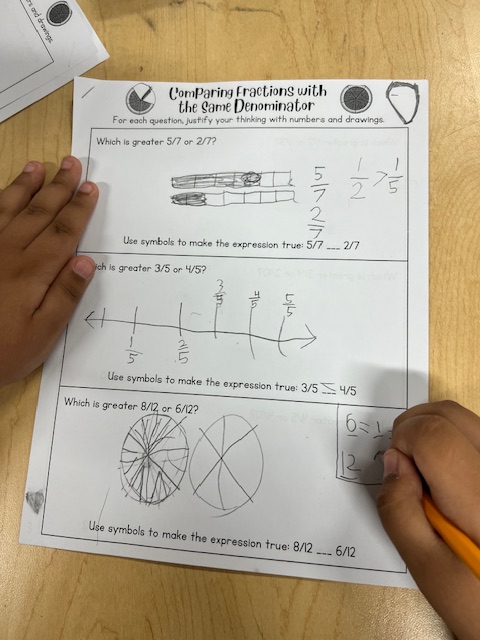
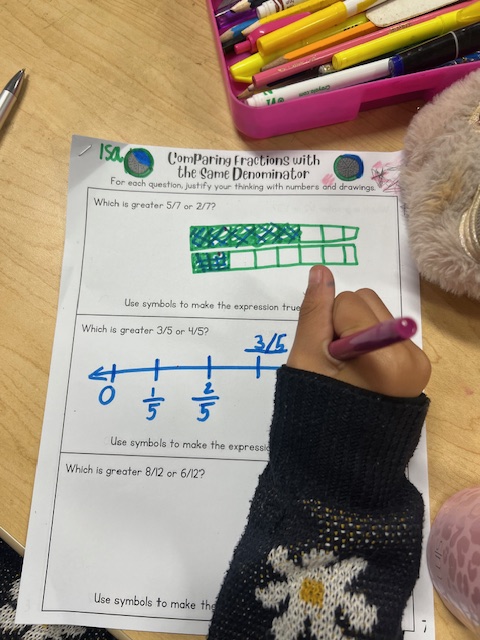
Illustrative Mathematics’ IM Grade 3 Math™ Unit 5 gives specific lessons on comparing the fractions with: 1) the same numerator 2) the same denominator. These lessons teach students how to use a variety of diagrams to compare and order fractions. Students become familiar with fractions on a number line and drawing pie or rectangular diagrams.
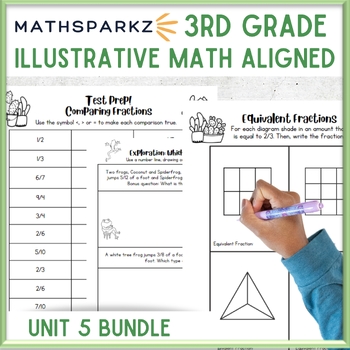


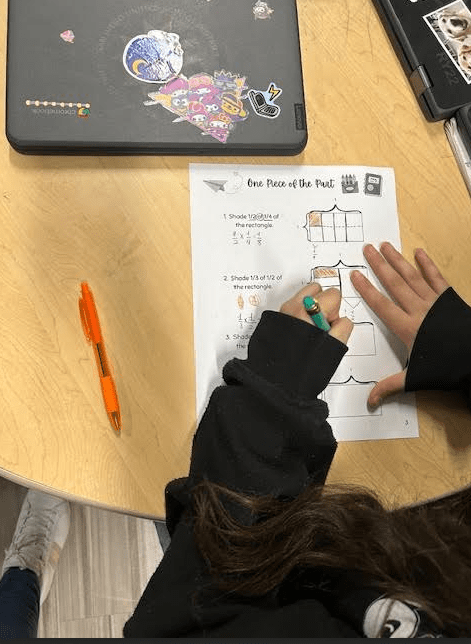
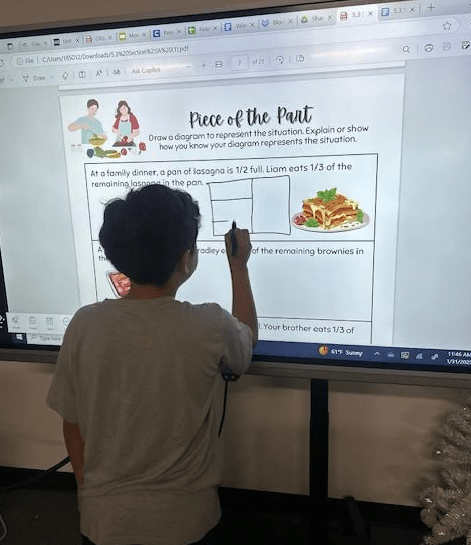
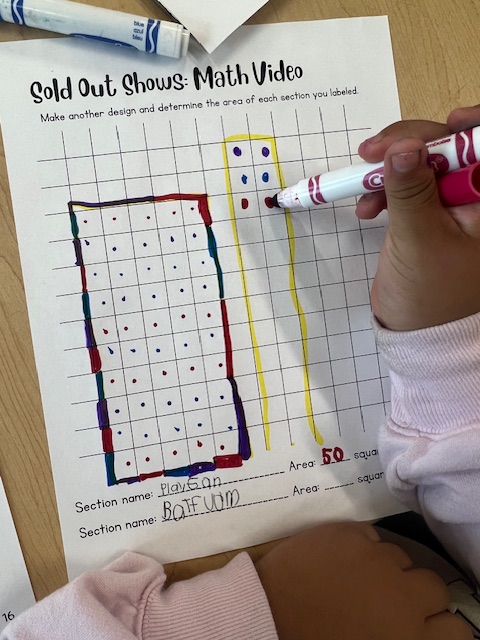
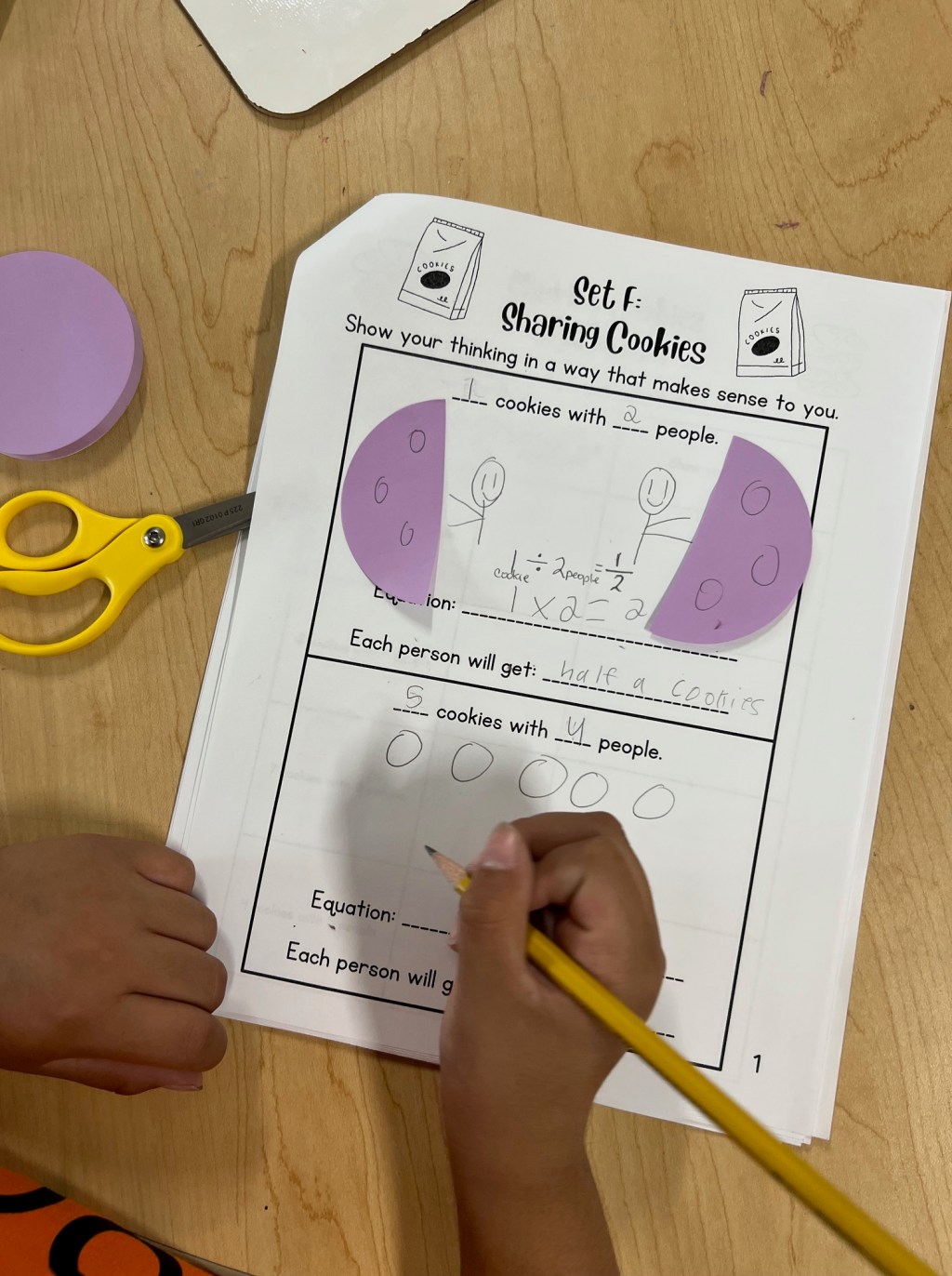
Math Sparkz worksheets are directly aligned with Illustrative Mathematics’ IM Grade 3 Math™ Unit 5 and give students lots of space to work out their thinking.
Students are given a variety of practice problems. Students are prompted to explain their mathematical thinking in words as well – preparing them for the written math performance questions on state tests at the end of the year.

 Quality no-prep 3rd, 4th and 5th grade math materials.
Leave a comment